

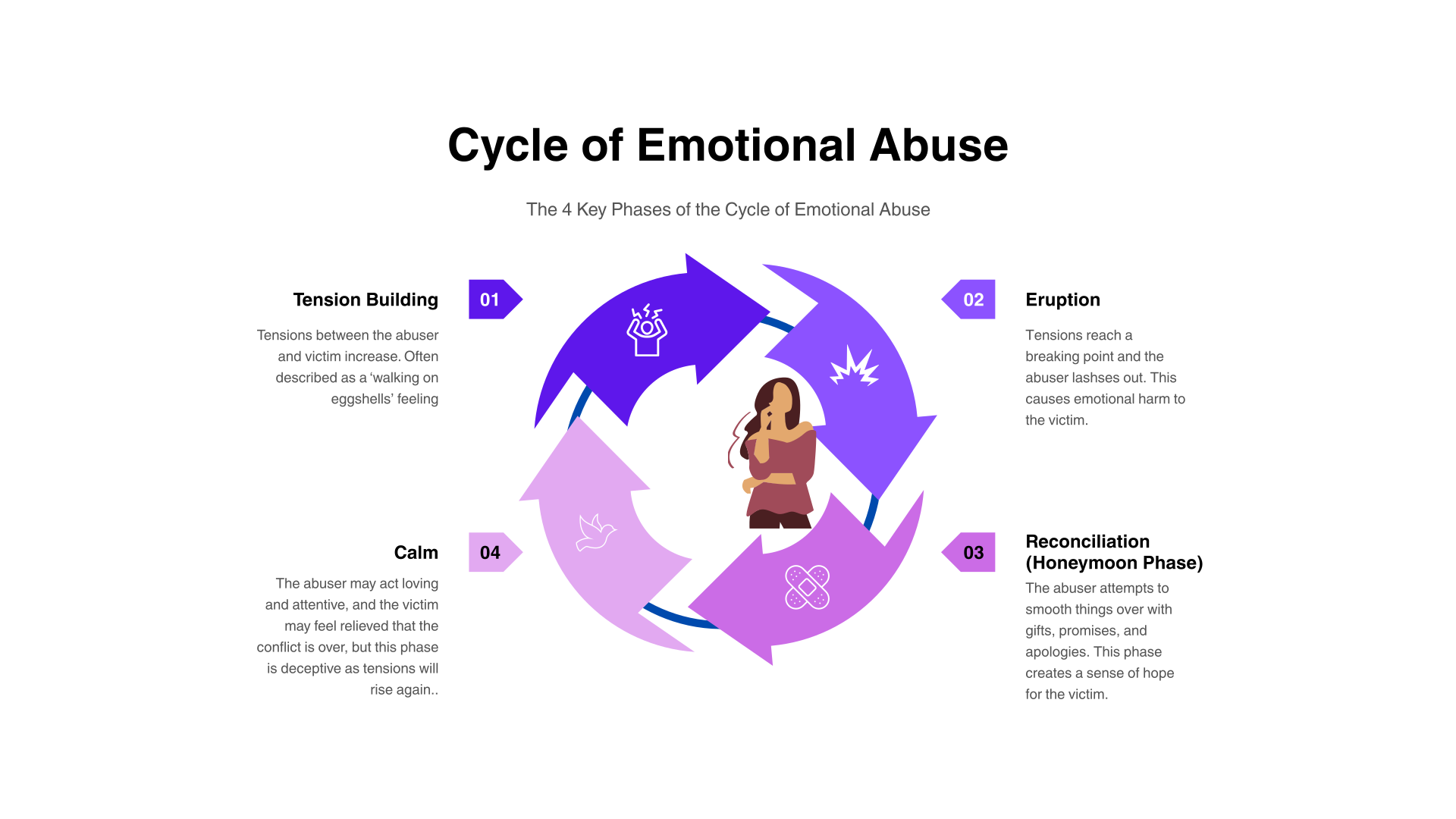
Emotional abuse follows a repetitive and destructive pattern known as the cycle of abuse. Understanding the 4 phases of emotional abuse is essential for anyone trapped in an abusive relationship, as recognizing its stages can empower victims to seek intervention and break free. The cycle consists of four distinct phases: tension building, eruption, reconciliation (or honeymoon phase), and calm. Without intervention, this cycle continues indefinitely, reinforcing emotional harm and psychological distress.
The 4 Phases of Emotional Abuse
Phase 1: Tension Building
The first stage of emotional abuse is tension building. The abuser, often struggling with unprocessed emotions, starts to feel increasing frustration. This frustration may stem from work stress, financial difficulties, household responsibilities, or other everyday challenges. However, rather than addressing these emotions in a healthy way—such as exercising, journaling, or talking things through—the abuser internalizes and suppresses their frustration.
The victim of emotional abuse often senses this tension. They may notice their partner becoming irritable, withdrawn, or moody. This creates an atmosphere of unease, where the victim may feel like they are walking on eggshells, trying to prevent an inevitable outburst. This prolonged state of anxiety can have severe effects on mental and emotional well-being, leaving the victim feeling powerless and uncertain about when the next eruption will occur.
Phase 2: Eruption
The second phase of the cycle is the eruption. This is the moment when the tension that has been building up reaches a breaking point, leading the abuser to lash out. The abuse can take different forms, including yelling, intimidation, manipulation, belittling, and making threats. In some cases, the abuser may use silent treatment or other passive-aggressive behaviors to exert control and inflict emotional pain.
This phase is particularly harmful because the victim experiences direct emotional harm. The abuser may blame them for their own outburst, making them feel responsible for the abuse. This emotional manipulation creates confusion, guilt, and self-doubt, further trapping the victim in the cycle.
Phase 3: Reconciliation (Honeymoon Phase)
After the eruption, the abuser enters the reconciliation phase, sometimes called the “honeymoon phase.” Here, they attempt to smooth things over, often with superficial apologies and promises to change. However, these apologies are rarely sincere. Common phrases include:
- “I didn’t mean to hurt you.”
- “I’m sorry if I upset you.”
- “You know I love you.”
- “I promise it won’t happen again.”
In some cases, the abuser may even shower the victim with affection, gifts, or acts of kindness to make them believe things will improve. This phase creates a sense of hope for the victim, who wants to believe that the abuser is genuinely remorseful and that the relationship will change. Unfortunately, without true accountability and efforts toward personal growth, these promises are empty, and the cycle is bound to repeat.
Phase 4: Calm
During the calm phase, the relationship appears to return to normal. The abuser may act loving and attentive, and the victim may feel relieved that the conflict is over. This period of stability reinforces the hope that the abusive behavior was a one-time incident or that the abuser is making progress.
However, this phase is deceptive. The calm does not last because the underlying issues that caused the tension in the first place have not been addressed. As life continues, stressors will arise again, and without proper emotional regulation and personal growth, the abuser will once again allow tension to build—bringing the cycle full circle.
Why the Cycle Repeats
The cycle of emotional abuse continues because the abuser does not develop the necessary emotional skills to process frustration in a healthy way. Instead of addressing their emotions constructively, they externalize their frustrations onto their partner. Without intervention, this pattern becomes deeply ingrained, making it increasingly difficult for the victim to leave or set boundaries.
Many victims stay because they become conditioned to expect the honeymoon phase, hoping that things will eventually improve. Others fear retaliation, financial instability, or social stigma if they attempt to leave. The psychological impact of being caught in this cycle can lead to anxiety, depression, and low self-esteem, making it even harder to break free.
How to Break the Cycle
Breaking free from the cycle of emotional abuse requires intentional intervention. Here are some crucial steps:
1. Recognize the Pattern
Understanding the cycle of abuse is the first step. Once you see the pattern, it becomes easier to predict its recurrence and take action before it escalates further.
2. Seek Support
Abuse thrives in isolation. Confide in a trusted friend, family member, or therapist who can provide guidance and emotional support. Support groups and domestic abuse hotlines can also offer critical resources.
3. Establish Boundaries
Set firm boundaries with the abuser and communicate what behavior is unacceptable. If they refuse to acknowledge their actions or attempt to manipulate you, it may be a sign that they are unwilling to change.
4. Encourage Professional Help
For real change to occur, the abuser must take responsibility for their actions and seek professional help. This may include therapy to develop emotional regulation skills, frustration tolerance, and healthy communication techniques.
5. Consider Safe Exit Strategies
If the abuse continues and intervention does not lead to meaningful change, leaving the relationship may be necessary. Develop a safety plan, including financial arrangements, housing options, and legal protections, if applicable.
Understanding the Crazy Cycle
The crazy cycle is characterized by periods of love bombing, manipulation, gaslighting, and intermittent reinforcement. At first, everything appears perfect—the abuser showers their victim with affection, validation, and promises of change. This phase creates a deep emotional attachment, making the victim feel chosen and valued.
However, this euphoria doesn’t last. Soon, manipulation, blame-shifting, and emotional withdrawal take over. The victim starts feeling confused and powerless, questioning their reality and blaming themselves for the problems in the relationship. If the victim asserts themselves or questions the abuser’s actions, they often face an extreme overreaction, including guilt-tripping, intimidation, or even silent treatment.
Then comes the temporary relief—the abuser may apologize, promise to change, and even put in minimal effort to do so. But these efforts are often half-hearted, and before long, the cycle repeats itself.
The Trap of Trauma Bonding
One of the primary reasons victims stay trapped in emotionally abusive relationships is trauma bonding. This psychological attachment forms when intermittent positive reinforcement is mixed with mistreatment. Victims become addicted to the occasional moments of kindness and affection, holding onto the hope that things will improve.
This cycle keeps individuals stuck, believing that if they try harder, love more, or become “better,” they can restore the initial harmony. But true healing can only happen when they recognize the pattern and take steps to break free.
Recognizing the Difference Between Regret and Repentance
A key reason many victims remain in toxic relationships is the belief that their abuser will change. However, there is a critical distinction between mere regret and authentic repentance.
- Regret: The abuser may express sorrow, but it is often self-centered. They regret the consequences of their actions—such as losing control over the victim, facing criticism, or dealing with the discomfort of conflict—but they do not genuinely wish to change. Their apologies tend to be hollow, often accompanied by minimal effort to improve. This “box-checking” behavior includes saying the right things without a true commitment to transformation.
- Repentance: True repentance involves deep self-reflection, a desire for real change, and consistent action. A repentant person seeks accountability, actively works on self-improvement, and demonstrates sustained change over time.
Understanding this distinction is crucial for victims to avoid being drawn back into the cycle of false hope.
The Role of Future Faking
Future faking is another manipulative tactic often used by emotionally abusive individuals. They make grand promises about change, such as attending therapy, being more understanding, or breaking bad habits. Initially, they may follow through with small steps, making their victim believe they are serious about improving. However, these efforts rarely lead to lasting transformation.
The victim, desperate for stability and longing for the loving version of their partner, clings to these empty promises. But over time, the cycle of disappointment and pain continues, reinforcing the crazy cycle.
Setting Boundaries and Taking Back Control
The only way to break free from the crazy cycle is to establish firm boundaries and stick to them consistently. Here’s how:
- Recognize Manipulation Tactics
- Learn to identify gaslighting, blame-shifting, and guilt-tripping.
- Trust your intuition when something feels off.
- Stop Engaging in the Tug-of-War
- Understand that you cannot control the abuser’s behavior, but you can control your responses.
- Avoid getting drawn into arguments or justifying your boundaries.
- Follow Biblical and Practical Strategies for Disengagement
- As Titus 3:10 advises, warn someone twice about their divisive behavior, then separate yourself if they refuse to change.
- If the abuser refuses to respect your boundaries, have a shutdown plan—politely but firmly remove yourself from the situation.
- Be Consistent in Boundary Setting
- Boundaries only work if they are enforced every time.
- Inconsistency strengthens the abuser’s hold over the victim, as it creates uncertainty and fuels hope for change.
Developing an Exit Strategy
For those trapped in toxic relationships, an exit strategy is crucial. Here are steps to take:
- Seek Support: Reach out to trusted friends, family, or professionals for guidance.
- Create a Safety Plan: If the relationship involves coercive control or potential danger, ensure you have a plan to leave safely.
- Set Emotional Boundaries: Start detaching emotionally by recognizing that your worth is not dependent on the abuser’s validation.
- Consider Professional Help: Therapy and counseling can provide the tools needed to heal and rebuild self-esteem.
Conclusion
The cycle of emotional abuse is a destructive pattern that traps victims in a state of fear, hope, and confusion. Without intervention, the cycle repeats indefinitely, causing lasting psychological harm. Recognizing the four phases of emotional abuse — tension building, eruption, reconciliation, and calm—is the first step toward breaking free.
By seeking support, setting boundaries, and encouraging professional help, victims can take steps toward healing and reclaiming their emotional well-being. If you or someone you know is experiencing emotional abuse, remember that help is available, and you do not have to go through it alone.
To learn how we can help, reach out to us at (206) 219-0145 or info@marriagerecoverycenter.com to speak with a Client Care Specialist
Also read: How Do I Know if Someone is Gaslighting Me?
About Dr. Hawkins:
The internet is inundated with hyperbole and misinformation about narcissism, leaving many people confused and hopeless. Get the facts on narcissism and emotional abuse from someone who has been researching, writing about and treating narcissism and emotional abuse for over a decade.
Dr. Hawkins is a best-selling author and clinical psychologist with over three decades of experience helping people break unhealthy patterns and build healthier relationships.
He is the founder and director of the Marriage Recovery Center and the Emotional Abuse Institute which offers education, training and counseling for people who want to break free of, and heal from, emotional abuse. Whether the perpetrator of the abuse is your spouse, partner, parent, boss, friend or family member, we offer practical advice for anyone trapped in a toxic, destructive relationship.
In addition to narcissism & emotional abuse, you’ll learn about the lesser known forms of abuse, including covert abuse, reactive abuse, spiritual abuse, secondary abuse, relationship trauma and much more.